

Medical Alert Devices for Dementia or Alzheimer’s
When someone near gets a dementia or Alzheimer’s diagnosis, daily life turns upside down. Forgetting stuff, wandering away, or missing important tasks happen a lot, making safety and freedom feel shaky and causing a lot of worry. Luckily, smart tech comes to the rescue—especially medical alert devices designed for people with memory problems. These gadgets don’t just bring calm; they build stronger safety and boost confidence. Dive in to see how these tools can truly change life for anyone facing memory challenges. Keep going to find out why these devices matter so much.
These devices are more than just gadgets; they are lifelines that bring peace of mind to families and an extra layer of safety to those who need it most. In this post, we’ll explore what medical alert devices are, how they help individuals with memory disorders, what features to look for, and how to choose the right one.
What Are Medical Alert Devices?
Medical alert devices are wearable or portable tools that allow individuals to call for help quickly in an emergency. Typically used by seniors, these devices are especially crucial for people living with dementia or Alzheimer’s, who may not always be able to communicate clearly, remember phone numbers, or explain their location in an emergency.
Modern medical alert systems go far beyond the old push-button necklaces. Today, they include GPS tracking, fall detection, 24/7 monitoring, and even two-way voice communication—all tailored to support the unique needs of individuals with cognitive impairments.
Why Dementia and Alzheimer’s Patients Need Medical Alert Devices
People living with dementia or Alzheimer’s face a high risk of wandering, disorientation, and medical emergencies. A medical alert device addresses these risks in several ways:
- Wandering Prevention and Tracking: According to the Alzheimer’s Association, six out of ten people with dementia will wander. Devices equipped with GPS tracking allow caregivers to locate their loved one in real-time and receive alerts if they leave a pre-defined area (known as geofencing).
- Emergency Communication: In a crisis—like a fall, confusion, or sudden illness—users can press a button to connect instantly with a monitoring center or emergency services. Some devices also offer automatic fall detection, which triggers a call for help even if the person is unable to press the button.
- Peace of Mind for Families: Caregivers often feel intense anxiety about their loved one’s safety, especially if they cannot be with them around the clock. A medical alert system can ease that emotional burden by ensuring help is always just a button away.
Key Features to Look For
Not all medical alert devices are created equal, especially when the user has dementia or Alzheimer’s. Here are some essential features to consider:
1. GPS Tracking
This is perhaps the most critical feature for dementia patients. GPS-enabled devices allow caregivers to locate their loved one if they get lost or wander from home.
2. Geofencing
Geofencing lets you set up safe zones—like the home or neighborhood. If the device leaves the safe zone, it sends an alert to the caregiver’s phone or monitoring center.
3. Automatic Fall Detection
Since falls are a major hazard for seniors, devices that automatically detect falls and alert emergency responders without requiring the user to press a button are invaluable.
4. Two-Way Voice Communication
This allows the user to speak directly with emergency personnel or a monitoring center, even if they don’t know how to use a phone. It’s especially helpful for those who may become confused or distressed.
5. Water Resistance
Many accidents happen in the bathroom, so make sure the device can be worn in the shower or bath.
6. Long Battery Life
Reliable power is key. Devices that need frequent charging may be impractical for individuals who can’t remember to plug them in regularly.
7. Discreet Design
Some individuals may be resistant to wearing a medical device if it feels bulky or makes them feel self-conscious. Sleek, watch-style designs can help ensure consistent use.
Top Device Options for Dementia and Alzheimer’s
There are several trusted brands on the market that specialize in alert systems for memory care:
- AngelSense GPS Tracker: Designed specifically for those with special needs, this wearable includes voice monitoring, GPS tracking, and geofencing alerts. Caregivers can even call the device and speak to their loved one directly.
- Medical Guardian: Offers a variety of devices, including those with fall detection and GPS. Their customer service and caregiver app integration are well-rated.
- Philips Lifeline GoSafe 2: Known for its reliability and long battery life, this device features GPS, Wi-Fi, fall detection, and 24/7 access to trained responders.
- Jiobit Smart Tag: While originally designed for kids, it’s increasingly used for elderly individuals. Its lightweight design, encrypted location sharing, and smartphone integration make it popular among caregivers.
- Project Lifesaver: A community-based program offering radio-frequency devices (less reliant on GPS) with local law enforcement support to help locate individuals who wander.
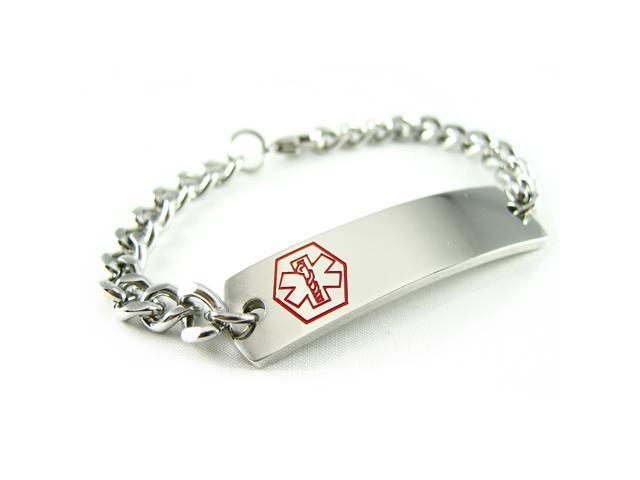
Tips for Introducing a Device to a Loved One
Sometimes, convincing a parent or spouse with dementia to wear a new device isn’t easy. Here are a few strategies to increase acceptance:
- Involve them in the process: If possible, allow them to choose the style or color. This gives them a sense of control.
- Frame it positively: Rather than emphasizing safety concerns, present it as a communication tool or a new watch.
- Wear one yourself: If the device comes in a watch style, wear one too and make it a family habit.
- Start early: Introduce the device in the early stages of dementia, when the person is more likely to form a habit of using it consistently.
The Role of Caregivers and Family
No device is a replacement for human care, but medical alert systems are a valuable complement. They provide support when caregivers are at work, asleep, or unable to monitor their loved one directly. For families managing dementia or Alzheimer’s care, these devices offer security, freedom, and peace of mind.
It’s important to regularly test the device, ensure it stays charged, and integrate its use into daily routines. Also, caregivers should stay up-to-date on the device’s app, monitoring features, and available customer support.
Final Thoughts
Living with dementia or Alzheimer’s is challenging—for both the individual and their family. But the right medical alert device can make a real difference. It’s not just about responding to emergencies; it’s about empowering people to live with dignity and safety, while reducing the constant anxiety that often weighs on caregivers.
As you explore your options, consider your loved one’s daily habits, cognitive level, and personal preferences. With thoughtful selection and compassionate introduction, a medical alert device can become a reliable part of your care plan—offering security when it’s needed most. If you’re unsure where to start, look at this now as an opportunity to discover the many devices that can bring both safety and peace of mind to your family.


